Navigating AI Adoption in the Service Industry: A Focus on Organizational Dynamics
Organizers:
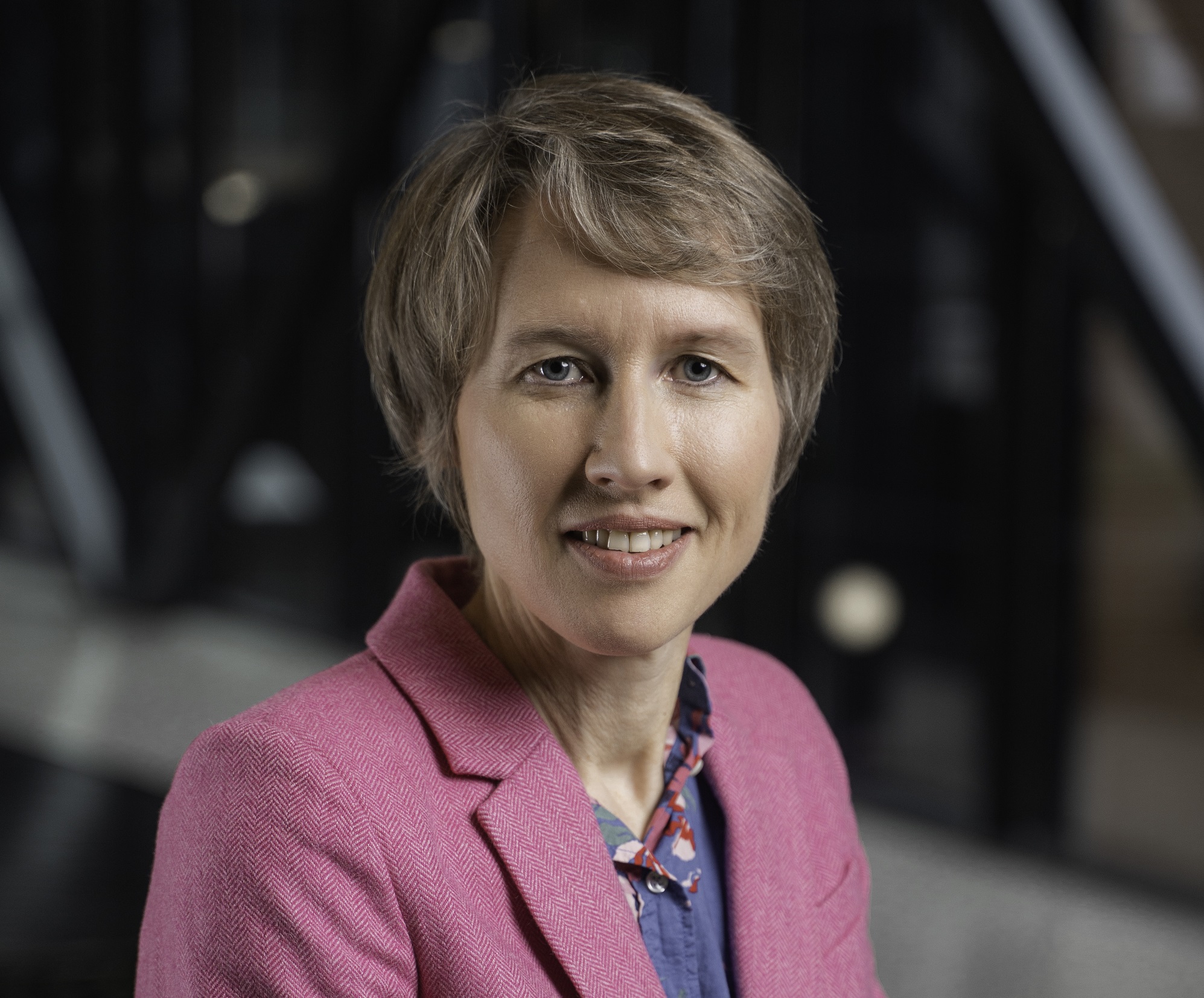
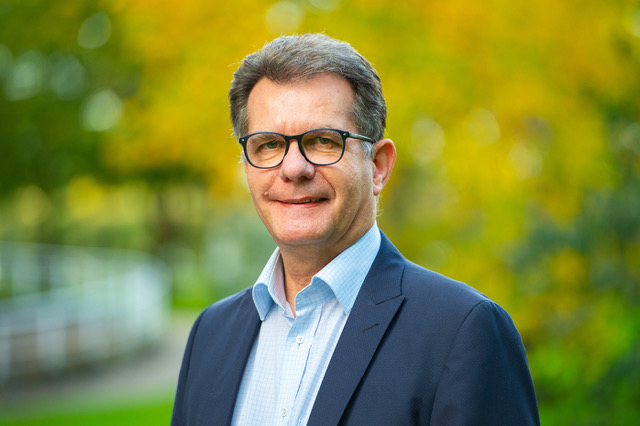
Claudia Cozzio, Free University of Bolzano, Italy
Massimo Morellato, Free University of Bolzano, Italy
Oswin Maurer, Free University of Bolzano, Italy
New Models and Technologies for Business and Management Innovation
Organizers:
Vittorio D’Amato, University LUM, Italy
Antonio Giangreco, IESEG, France
Luca Tuporini, LIUC University of Cattaneo, Italy
Elena Tosca, University LUM, Italy
Diversity Management, Iclusion and Knowledge Creation for Innovation
Organizers:
Beretta Valentina, University of Pavia, Italy
Brescia Valerio, University of Milan, Italy
Demartini Maria Chiara, University of Pavia, Italy
Trucco Sara, University of International Studies in Rome, Italy
IPAZIA CHAPTER – Gender Issues in Innovative Society: AI and Technology for New Organizational Paradigms
Organizers:
Paola Paoloni, Sapienza University of Rome, Italy
Giuseppe Modaffari, Sapienza University of Rome, Italy
Exploring the Intersection of Digital Transformation and Business Model Innovation: Insights and Opportunities
Organizers:
Veronica Marozzo, University of Messina, Italy
Alessandra Costa, University of Messina, Italy
Tindara Abbate, University of Messina, Italy
Entrepreneurship and New Technologies
Organizers:
Ciro Troise, University of Turin, Italy
Gabriella Esposito, University of Turin, Italy
Mark Anthony Camilleri, University of Malta, Malta
Stefano Bresciani, University of Turin, Italy
Abby Ghobadian, University of Reading, United Kingdom
Society 5.0: From Knowledge-Based to a Wise-Based Approach
Organizers:
Maurizio Massaro, Ca Foscari University of Venice, Italy
Susanne Durst, Reykjavik University, Iceland
Davide Calandra, University of Turin, Italy
Advancing Insights in Organizational Behavior, Technologies and Knowledge Management
Organizers:
Susanne Durst, Reykjavik University, Iceland
Francesca Di Virgilio, University of Molise, Italy
Angelo Rosa, LUM University Giuseppe Degennaro, Italy
Nicola Capolupo, University of Salerno, Italy
Artificial Intelligence and Strategic Knowledge Management
Organizers:
Krishna Venkitachalam, Ajman University, UAE
Nina Helander, Tampere University, Finland
Navigating AI and Cutting-Edge Technologies in Knowledge Management
Organizers:
Vincenzo Varriale, University of Salerno, Italy
Antonello Cammarano, University of Salerno, Italy
Francesca Michelino, University of Salerno, Italy
Mirko Perano, University of Salerno, Italy
Agim Mamuti, Western Balkan University, Albania
The Role of Advanced Technologies in Innovation 5.0 Scenario as Enabler of Innovation Ecosystems
Organizers:
Maria Chiara De Lorenzi, University of Salento, Italy
Domenica Barile
Maria Elena Latino, University of Salento, Italy
Giustina Secundo
Valentina Lazzarotti
Exploring the Impact of Technological Innovation on the Social Sustainability of Agrifood Supply Chains
Organizers:
Roberto Mauriello, University of Naples Federico II, Italy
Simplice Asongu, European Xtramile Centre of African Studies, Belgium
Livio Cricelli, University of Naples Federico II, Italy
Kaliyan Mathiyazhagan, Thiagarajar School of Management, India
Serena Strazzullo, University of Naples Federico II, Italy
Decision Support Methods for Food Waste Reduction in Agri-Food Supply Chain: The KILOWATT Project
Organizers:
Gerarda Fattoruso, University of Foggia, Italy
Massimo Squillante, University of Sannio, Italy
Antonio Violi, University of Sannio, Italy
Future Organizations and Strategies: Integrating Humans and Technology for Social and Environmental Impact
Organizers:
Gabriela Citlalli López Torres, Autonomous University of Aguascalientes, México
Francisco Javier Álvarez Torres, University of Guanajuato, México
Giovanni Schiuma, University LUM Giuseppe Degennaro, Italy
Arina A. Andreeva, Complutense University of Madrid, Spain
Oscar Alejandro Espinoza Mercado, University of Guadalajara, México
Can the Regenerative Approach Support Manufacturing Industries in Facing Unsustainable Conditions? Building New Business Paradigms on Evidence and Best Practices
Organizers:
Maria Elena Latino, University of Salento, Italy
Marta Menegoli, University of Salento, Italy
Roberta Pellegrino, Polytechnic University of Bari, Italy
Antonio Piepoli, Polytechnic University of Bari, Italy
Pierpaolo Pontrandolfo, Polytechnic University of Bari, Italy
Complexity Approaches to Support New Knowledge and Business Development
Organizers:
Giovanna Ferraro, University of Rome Tor Vergata, Italy
Stephan Leitner, University of Klagenfurt, Austria
Raffaella Manzini, LIUC Università Cattaneo, Italy
Cristina Ponsiglione, University of Naples Federico II, Italy
Linda Ponta, University of Genoa, Italy
Industry 5.0 and Sustainability: (Re) Shaping Workforce Skills and Management in Multiple Industries and/or Hybrid Organisations
Organizers:
Mariarosalba Angrisani, Parthenope University of Naples, Italy
Mariavittoria Cicellin, Federico II University of Naples, Italy
Elina Gaile-Sarkane, Riga Technical University, Latvia
Ivana Quinto, Parthenope University of Naples, Italy
Artificial Intelligence, Intellectual Capital, and Value Creation: Inspiring New Strategies and Challenges
Organizers:
Valeria Schifilliti, University of Messina, Italy
Elvira Tiziana La Rocca, University of Messina, Italy
Francesco Fasano, University of Calabria, Italy
María Eugenia Sánchez Vidal, Polytechnic University of Cartagena, Spain
The Value of Interdisciplinary Research in Managing Knowledge and Emerging Technologies to Harmonizing Business and Society
Organizers:
Chiara Civera, University of Turin, Italy
Cecilia Casalegno, University of Turin,Italy
Lea Iaia, University of Turin, Italy
Marco Pironti, University of Turin, Italy
Simone de Colle, IÉSEG School of Management, France
AI and Technology as Catalysts for Knowledge: Shaping Roles, Competences, and Value Creation in Healthcare
Organizers:
Lorella Cannavacciuolo, University of Naples Federico II, Italy
Emanuela Foglia, LIUC University, Italy
Eleonora Gheduzzi, Politecnico of Milan, Italy
Emanuele Lettieri, Politecnico of Milan, Italy
Artificial Intelligence in Medicine: Transforming Healthcare Through Innovation
Organizers:
Guendalina Capece, Universitas Mercatorum, Italy
Tindaro Cicero, Universitas Mercatorum, Italy
Flavia Di Costa, Universitas Mercatorum, Italy
Daniela D’Auria, Universitas Mercatorum, Italy
Stakeholder Collaboration as a Driver of Knowledge Diffusion and Sustainable Value Creation in Ecosystems
Organizers:
Mario Tani, University of Naples Federico II, Italy
Basile Gianpaolo, Mercatorum University, Italy
Anna Prisco, University of Naples Federico II, Italy
Technology Management and Business Maturity: Innovative, Sustainable and Secure Digital Transformation Initiatives in Industry
Organizers:
Vito Del Vecchio, University of Salento, Italy
Mariangela Lazoi, University of Salento, Italy
Christian Catalano, University of Bari Aldo Moro, Italy
Monica Rossi, Polytechnic University of Milan, Italy
Abdelaziz Bouras, Qatar University, Qatar
Accelerating the Shift to a Circular Economy Through Digital Technologies and Knowledge Management
Organizers:
Stefania Supino, San Raffaele University, Italy
Nicola Raimo, LUM University, Italy
Benedetta Esposito, Mercatorum University, Italy
Vitiana L’Abate, University of Sannio, Italy
Filippo Vitolla, LUM University, Italy
Translating Feminist Knowledge into Business Practice for Sustainable and Inclusive Strategies, Processes, and Organizations
Organizers:
Barbara Scozzi, Polytechnic University of Bari, Italy
Francesco Paolo Lagrasta, Polytechnic University of Bari, Italy
Greta Temporin Polytechnic University of Turin, Italy
Omar Mazzucchelli, Polytechnic University of Milan, Italy
Pierpaolo Pontrandolfo, Polytechnic University of Bari, Italy
Exploring Creative Processes and Decision-Making in the Era of Human & Artificial Intelligence
Organizers:
Andrea De Mauro, University Due of Rome, Italy
Paola De Martini, University Tre of Rome, Italy
Rosa Fioravante, University Tre of Rome, Italy
Lucia Marchegiani, University Tre of Rome, Italy
Michela Marchiori, University Tre of Rome, Italy
Health Technology Assessment and Artificial Intelligence in Healthcare Systems
Organizers:
Concetta Lucia Cristofaro, University E-Campus, Italy
Fausto Di Vincenzo, University of Chieti-Pescara, Italy
Federica Morandi, Catholic University of Rome Sacro Cuore, Italy
Marzia Ventura, Magna Graecia University of Catanzaro, Italy
Walter Vesperi, University of Palermo, Italy
The Impact of AI and Digital Transformation on Knowledge Integration Practices in Project Oriented Settings
Organizers:
Paolo Canonico, University of Napoles Federico II, Italy
Ernesto De Nito, University of Salerno, Italy
Antonio Bassi, SUPSI, Switzerland
Deva Rangarajan, IÉSEG School of Management Paris, France
María D. De-Juan-Vigaray, University of Alicante, Spain
The Impact of ESG Factors on Stakeholder Engagement According to AI
Organizers:
Maria Zifaro, Mercatorum University, Italy
Andrea Presciutti, Mercatorum University, Italy
Giovanni Spatola, Mercatorum University,Italy
Giuseppe Ambrosio, Mercatorum University, Italy
Anna Bisogno, Mercatorum University, Italy
Social Sustainability and AI in the Framework of Knowledge Management
Organizers:
Maria Zifaro, Mercatorum University, Italy
Andrea Presciutti, Mercatorum University, Italy
Giovanni Spatola, Mercatorum University, Italy
Giuseppe Ambrosio, Mercatorum University, Italy
Shaping the Future: Adapting HEIs to the Evolving Knowledge and Innovation Landscape
Organizers:
Nikolett Deutsch, Corvinus University of Budapest, Hungary
Viktória Papp-Horváth, Corvinus University of Budapest, Hungary
Intelligent Communities and Organisations Driving Innovation by Dealing with Knowledge and Technologies
Organizers:
Mauro Romanelli, Parthenope University of Naples, Italy
Alexandra Zbuchea, National University of Political Studies and Public Administration, Romania
Domenico Celenza, University of Cassino and Southern Lazio, Italy
Alessandra Lardo, Parthenope University of Naples, Italy
Trends in Performance Measurement and Management of Healthcare Organizations: Investigating the Contribution of New Digital Technology in Supporting Knowledge Management and Value Creation
Organizers:
Francesca De Domenico, University of Messina, Italy
Anna Maria Melina, University of Messina, Italy
Guido Noto, University of Messina, Italy
Rocco Reina, University of Catanzaro, Italy
GenAI for Improving Organizational Processes and Knowledge
Organizers:
Marianna Lezzi, University of Salento, Italy
Giuliana Barba, University of Salento, Italy
Barbara Scozzi, Polytechnic University of Bari, Italy
Filippo Chiarello, University of Pisa, Italy
Digital Transformation of Circular Manufacturing Systems
Organizers:
Michal Krčál, Masaryk University, Czech Republic
Alena Klapalová, Masaryk University, Czech Republic
Farazee Mohammad Abdullah Asif, KTH Stockholm, Sweden
Sayyed Shoaib-Ul-Hasan, KTH Stockholm, Sweden
Artificial Intelligence (AI) and Emerging Technologies for Value Creation in Service-Based Industries
Organizers:
Pasquale Del Vecchio, University LUM Giuseppe Degennaro, Italy
Valentina Ndou, University of Salento, Italy
Roberto Cerchione, University of Naples Parthenope, Italy
Giuseppina Passiante, University of Salento, Italy
Gioconda Mele, University of Salento, Italy
AI and Knowledge Futures in Cultural Tourism: Shaping a New Paradigm
Organizers:
Daniela Carlucci, University of Basilicata, Italy
Antonio Lerro, University of Basilicata, Italy
Francesco Santarsiero, University of Basilicata, Italy
Rosaria Lagrutta, University of Basilicata, Italy
Vincenzo Orsi, University of Basilicata, Italy
Gustavo Morales-Alonso, Polytechnic University of Madrid, Spain
Matiàs Celdran, Polytechnic University of Madrid, Spain
Francesco Scorza, University of Basilicata, Italy
Beniamino Murgante, University of Basilicata, Italy
Simone Corrado, University of Basilicata, Italy
Rachele Vanessa Gatto, University of Basilicata, Italy
Mauro Fiorentino, University of Basilicata, Italy
Giovanna Andrulli, University of Basilicata, Italy
Open Innovation Pathways: How Start-ups Thrive in Collaborative Ecosystems
Organizers:
Benedetta Pini, University of Parma, Italy
Barbara Bigliardi, University of Parma, Italy
Alberto Michele Felicetti, University of Calabria, Italy
Salvatore Ammirato, University of Calabria, Italy
Virginia Dolci, University of San Marino, San Marino
Questioning the Role of Digital Technologies for Board Decision Making
Organizers:
Gaetano Della Corte, Universitas Mercatorum, Italy
Donata Mussolino, University of Naples Federico II, Italy
Federica Ricci, Sapienza University of Rome, Italy
Sara Saggese, University of Naples Federico II, Italy
Fabrizia Sarto, University of Naples Federico II, Italy
Startups and Cultural Heritage Valorization: An Emerging Paradigm
Organizers:
Fabio Greco, University of Naples Federico II, Italy
Laura Clemente, University of Naples Federico II, Italy
Gesualda Iodice, University of Naples Federico II, Italy
Amelia Napolitano, University of Naples Federico II, Italy
Marco Tregua, University of Naples Federico II, Italy
Francesco Bifulco, University of Naples Federico II, Italy