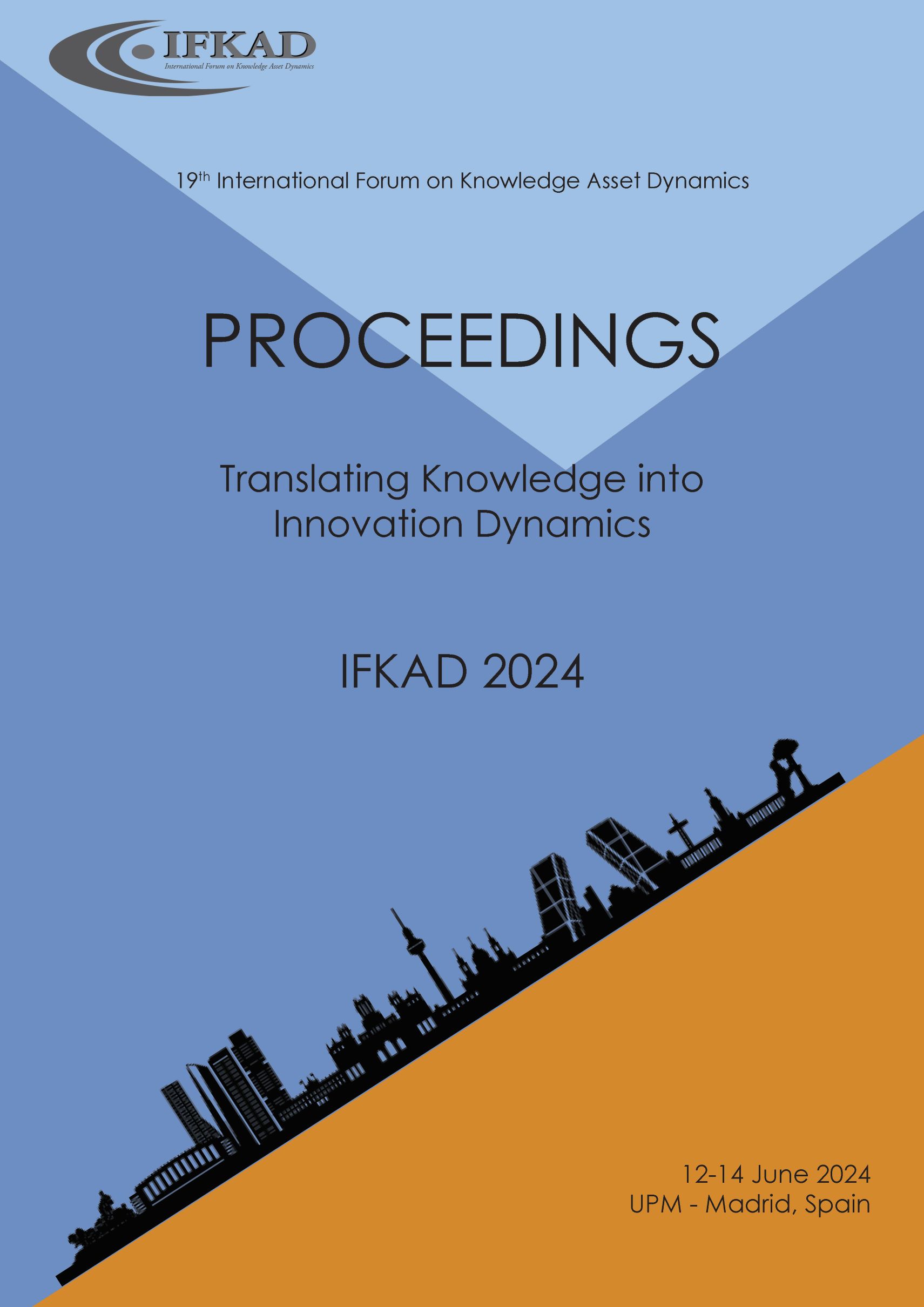
PROCEEDINGS e-books

Proceedings IFKAD 2024

Translating Knowledge into Innovation Dynamics
List of Included Articles:
Regulating Fintech in the Age of Digital Transformation: An Analysis of Legal Challenges and Customer Protection
Marco Chironi, Fernando Greco

The development and use of artificial intelligence in socio-economic relations are expected to have a significant impact on the banking and financial sector, also as a result of the spread of Fintech. The affirmation of new players in the market is undermining the bank-centric system, imposing a revision and rethinking of pre-existing legal institutions. The literature on fintech keeps evolving rapidly and there is an urgent need to organize its knowledge structure and thereby to make future research more focused on the gaps that will emerge in this paper. This contribution conducts a systematic literature review (network and content analysis) on the diffusion of the Fintech phenomenon in its various forms of manifestation all characterised by a process of disintermediation. For this study, the VOS viewer software was used. In particular, the co-occurrence of keywords was investigated through the full counting method. DoGi was the database used for data extraction. From the network analyses conducted, it appears that the literature has been widely discussed, even if not unequivocally, with the issue of the legal qualification of the fintech phenomenon and, specifically, of cryptocurrency. Content analysis reveals that the need for strict regulation at European and national level was unanimously stressed. The focus of this paper is to point out the importance of customer protection in the field of Fintech. It is necessary to establish whether or not, in the face of a marked legislative vacuum, the relationships between customers and service providers can be reconnected to situations that already exist in the codified experience and in the sector regulations. This situation should not be harmful to the customer. In this sector, the weakness is intensified. In addition to the knowledge asymmetry concerning the services offered, there is a lack of understanding of the functioning of digital technology and its underlying mechanisms. For these reasons, the systematic analysis of the literature conducted shows the need, on the one hand, for the legislator to regulate the phenomen, on the other hand for the interpreter to think about which forms of protection the customer can benefit from and which remedial mechanisms can be activated in the hypothesis of liabilityof the counterparties. In conclusion, this paper illustrates which protections rules provided for in the T.u.b., in the T.u.f., the Consumer Code and the Civil Code can be applied to the fintech phenomenon.

The Impact of Gratitude in Multi Business Model Innovation and Value Creation: How Can Gratitude Value and Lack of Gratitude Destruct MBMI Processes?
Jane Flarup, Peter Lindgren

The importance of gratitude in Multi Business Model Innovation (MBMI) has not been investigated much. However, it is vital to meet today’s increasing incidence of Volatile, Uncertainty, Complex and Ambiguous (VUCA) challenges by new concepts like gratitude as a psychological and MBMI leadership competence. This paper investigates the impact between gratitude and knowledge innovation in MBMI processes in Business Model Ecosystems (BMESs) influenced by VUCA Events. The impact of individual and business resilience caused by gratitude is studied in 3 MBMI cases as an important competence to endure challenging MBMI processes influenced heavily by VUCA Events. From the 3 cases a transfer of gratitude is outlined as a fundamental competence for creating valuable knowledge and resilience in individuals and in stakeholder networks. These observations correspond to the hypothesis that gratitude is a reciprocal competence and a psychological positive emotion which is a predictor for success in MBMI. Based on this hypothesis we propose gratitude as an important component in the MBMI mindset. The research is conducted in the view of knowledge creation, MBMI and gratitude theory – particularly the concept of wellbeing and positivity as a fundamental mental state for an increasing learning and knowledge creation – the vital “raw material” and competence in all MBMI processes. The research analyses qualitative results from interviews and observations with focus on gratitude as an individual and organisational core competence – and the impact of gratitude on creating strong MBMI processes and networks in a VUCA World.

Digital Platforms Resilience across Time and Space: Insights from Panarchy
Antonio La Sala, Giuliano Maielli, Francesca Iandolo, Pietro Vito

Digital platforms have deeply integrated into society, significantly affecting markets, cultural practices, and institutional structures, leading to a reevaluation of political and legal frameworks to accommodate these changes. Their impact extends beyond merely reflecting societal changes; they actively shape and construct social norms and market dynamics at both individual (micro) and systemic (macro) levels. This influence manifests at different rates and organizational levels, from individual behaviors to large-scale institutional and market structures, potentially fostering innovation or creating vulnerabilities. Adopting a panarchy perspective, this work aims to explore digital platforms’ influence across multiple levels of organizing and time horizons, addressing a gap in the literature that often considers these impacts in isolation. The connectedness across these levels can determine a system’s resilience and its potential for transformation, particularly following crises. The study calls for an integrated approach to examine digital platforms, recognizing their roles as intricate components within a wider socioecological and sociotechnical network, and highlights the need to understand their long-term effects on socioecological and sociotechnical equilibria.

Women and Stem: Princesses of Work
Maria Teresa Bianchi, Sabrina Ricco, Raffaele Socio

The aim of this research is to understand if there is a gap between women and men in the world of STEM work. The research methodology applied to this paper is the qualitative method through the application of the case study analysis. We selected a privatal case study. Sources of analysis were data analysis by 2022 and a survey with a questionnaire. The research delves into the theme of the female-male working gap not simply in listed companies, but in those with high technological potential, within the Italian experience. This represents a novelty compared to the traditional reference literature. This paper enriches the existing literature through study and results that are a useful baseline for academic and practitioners’ implications about the evolution of the research in work gap between women and men in listed STEM enterprises.

New Forms of Work in the Digital Era: Anticipatory Governance in Response to the Organizational Challenges in the Public Sector
Lucio Todisco, Gianluigi Mangia, Paolo Canonico,,rea Tomo

The impact of new technologies on ways of working represents a significant challenge for public organizations in a rapidly evolving social and cultural scenario (Perry & Batista, 2023; Holtgreve, 2014). This topic is crucial for the impact of technology on people both from a communicative-relational point of view and concerning how people will be able to use technologies to perform better in their organizational contexts. To respond to this challenge, an approach of particular interest may be anticipatory governance. Anticipatory governance is an innovative approach that can help public organizations prepare for and respond proactively to changes brought about by emerging technologies (Guston, 2014; Poli, 2022, 2021). It is about identifying and analyzing potential developments, engaging stakeholders, and proactively addressing potential challenges and opportunities. By adopting anticipatory governance, public organizations can take charge of their future, stay ahead of the curve, and be better equipped to navigate the complex and rapidly evolving technology landscape. This can help them avoid costly mistakes, improve efficiency, and improve their ability to meet citizens’ needs, empowering them to shape their lives in society. The following contribution focuses on how anticipatory governance can represent a valuable approach for public organizations in redesigning relationships and work processes in the public sector in response to technological changes. To answer these questions, a questionnaire consisting of 18 questions was submitted to understand the perception of public employees at the local level in the Italian context regarding the concept of anticipatory governance and its impact in responding to changes in working methods due to new technologies. The following contribution provides some preliminary implications from a theoretical-managerial point of view. From a theoretical point of view, it intends to insert itself into the academic debate regarding anticipatory governance and its role in understanding the social phenomena resulting from using new technologies. From a managerial point of view, however, it intends to provide a preliminary reading on how public decision-makers can use this approach to respond to changes in working methods in the public sector.

Digitalization of Proceedings in Italy: The Strange Case of International Protection
Matteo Buffa

Despite the need to speed up and improve the efficiency of the justice system and of judicial proceedings concerning international protection, the instruments adopted by the Italian national legislator do not seem to have yet found effective application and, above all, consistency with the guarantees of due process as required by international Law and European Union Law. Specifically, after an initial overview of the so-called European migration emergency of 2015, which led more than a million asylum seekers to seek refuge in Europe, the main measures aimed at speeding up decisions on international protection will be resumed. Among those, the measure of hearing-videotaping at administrative level will be considered as a tool to overcome the need for a new hearing in front of the (specialised) judge. According to the premises of the Law, these tools have also become necessary in the difficulties of a significant backlog in the field. That is not only due to the increase of the number of (first and subsequent) applications in Italy, but to some procedural degenerations which, looking at the efficiency of the system, seem to have overcome the first and most important need for the protection of the rights of applicants for international (and national) protection and the rules of due process. Looking at these limits in applying accelerating mechanisms in a context such as the Italian one, already deprived of a level of judgment in 2017 by Law no. 46 (which converted into law Decree-Law 13 of 2017 and its provisions for other instruments such as the manifest presumed groundlessness or instrumentality of the application, reduction of the deadlines for appeal, and) in which the video recording of asylum seekers’ interviews, once again, takes on the symbolic guise of a “manifesto rule”, where technology is “smart” only if it’s faster. It will be emphasized that this procedure, unlike those related to pandemic contingencies such as remote participation in video conferences, risk not shortening the time, but rather requiring particular and greater attention and more guarantees given the difficulties and risks, as well as good practices, already present in the European context with regard to subjective rights that enjoy constitutional protection, designing the strange case of international protection in Italy.

Maker and Design: A Synergistic Approach to Support the Evolution of the Entrepreneurial University. The Case of the Design Factory Global Network
Roberto Parente, Rosangela Feola, Ricky Celenta,,rea Iannelli

Universities play a crucial role in fostering entrepreneurship and innovation, extending beyond their traditional missions of research and education. This paper investigates the evolving model of entrepreneurial University, focusing on the evolution toward a network model based on the creation of entrepreneurial and innovation ecosystems in the university context. Starting from the analysis of FabLabs movement, the paper explores the motivations and development process of DFGN (Design Factory Global Network). Furthermore, through the examination of the Design Factory of the University of Bologna, Oper.space, the paper illustrates how these networks integrate maker philosophy and design thinking to support entrepreneurship education and provide infrastructure necessary for innovation. The analysis highlights the impact of DFGNs on University Entrepreneurship. While this study provides an initial exploration, further research is recommended to delve deeper into the relationship between DFGNs and FabLabs within universities and to examine the reasons behind the establishment of DFGNs at various institutions.

Impact of Conflicts on Knowledge Translation in Virtual Teams
Rosario Marrapodi, Caterina Galdiero, Stefania Mele, Marcello Martinez

This research explores the complex impacts of conflicts on knowledge translation within virtual teams, emphasizing the intricate interplay between cultural diversity, technological mediation, and geographical dispersion in shaping the dynamics of knowledge transfer. Virtual teams, defined by their geographical dispersion, cultural diversity, and reliance on electronic communication, face unique challenges that can stimulate conflicts affecting knowledge translation and transfer. These conflicts, arising from differences in cultural contexts, language barriers, and the asynchronous nature of digital communication, can hinder the smooth flow of information and decrease team cohesion, ultimately impacting team performance and effectiveness. The study adopts a qualitative research approach, using semi-structured interviews with members of various virtual teams to investigate their direct experiences and perceptions regarding the influence of conflicts on knowledge sharing and translation processes. This approach allows for a nuanced understanding of the conflicts that emerge in virtual settings and how they impact knowledge translation. Overall, this exploratory study contributes to the field of knowledge management by highlighting the often-overlooked role of conflicts in knowledge translation within virtual teams. By exploring these dynamics, the research provides valuable insights on how to manage and leverage conflicts as a strategic resource for improving knowledge translation, thereby enhancing organizational performance and innovation in globally dispersed teams.

Big Data Analytics and Visualization Solutions in Industry: a Literature Review
Alessia Anna Catalano, Christian Catalano, Vito Del Vecchio, Mariangela Lazoi

Big Data (BD) and Big Data Analytics (BDA) offers industrial companies the opportunity to harness the full potential of data to improve business operations, increase customer satisfaction, and maintain a competitive advantage in their reference market. On the other hand, it is crucial to easily and appropriately use and read data and information. Therefore, data visualization solution plays a crucial role when dealing with large amounts of data. However, industrial organizations still strive to improve their strategic business management and decision-making due to the challenging design of data visualization solutions, eventually supported by user-friendly interfaces and systems. They often struggle in considering the right practices, techniques and tools for visualizing data. They require guidance in effectively discovering, comprehending, and leveraging the available data. Based on these needs of investigation, this paper delves into the relationship between data management and visualization, through digital technologies. It aims to light up the current state of the art related to the most important solutions adopted in industries for managing and visualizing BD. To achieve this goal, a systematic literature review has been carried out on BD, BDA and visualization solutions in smart industry. The paper maps the most important tools, techniques and methods adopted for appropriately visualize data. Also, it considers behavioural need of humans to process information. The paper implies benefits for both academics and practitioners, due to its ability to map useful solutions that extend the literature and give a more informed overview to companies dealing with BD visualization issues.

Strategic Knowledge Management in Healthcare: Discovering Priorities, Interconnections and Innovations
Giulia Gogiali, Giulia Nevi, Luca Dezi

The strategic process of knowledge management (KM) aims to efficiently identify, create, share, and utilize knowledge, with demonstrated potential to enhance innovation and balance innovative forces. Within healthcare, KM plays a vital role in improving care quality, reducing costs, and promoting public health. However, managing knowledge in healthcare proves complex due to the high distribution and fragmentation of knowledge, notably clinical knowledge. While new technologies offer unique support in knowledge collection, management, and utilization, they also present significant challenges. The purpose of this study is to explore strategic knowledge management within the healthcare sector, focusing on identifying key priorities and understanding the interconnections between knowledge and management. To gain deeper insights into the underlying dynamics and connections between concepts, this study employs an advanced methodology centered on latent semantic analysis (LSA) and co-occurrence analysis. Through content analysis applied to a sample of 12 reports from supranational companies and consultants, the research aims to explore priorities in strategic knowledge management within the healthcare sector. The results of the analysis revealed several key findings regarding strategic knowledge management in the healthcare sector. Initially, an examination of the most frequent terms in the documents illustrated a predominant focus on organizations, patients, and workforce-related activities, indicating the significance of knowledge management across various professions. Notably, the increasing integration of new technologies and data-driven innovation emerged as crucial priorities, alongside a strong emphasis on patient-centric care. Moreover, the co-occurrence analysis identified six main clusters, highlighting the evolving landscape of healthcare, characterized by the adoption of medical devices, the transition towards a broader conceptual framing of healthcare as life sciences, and the strategic role of knowledge management in enhancing innovation processes. Latent Semantic Analysis (LSA) further elucidated the semantic relationships between words, emphasizing the importance of individual growth, corporate strategy, and resource management within an organizational context. Overall, the findings underscore the multifaceted nature of knowledge management and resource management in healthcare, providing valuable insights for strategic decision-making and innovation initiatives in the sector.

Organizing Family Business for AI Adoption: An Explorative Study
Anna Maria Melina, Walter Vesperi, Raffaella Coppolino

Family businesses represent the most common form in the entrepreneurial fabric. These are firms of extremely different sizes, from small to large, with peculiar organizational characteristics. Technological evolution has imposed a new challenge on family businesses, traditionally slow in adopting technological innovation (Chrisman et al., 2015; McElheran et al., 2021), including the adoption of artificial intelligence (AI). Artificial intelligence (AI) is one of the most important technologies of the future (Crew, 2020). AI is a collection of information communication technologies that imitate human intelligence for the purpose of improving jobs, creating greater efficiencies, and driving economic growth (Olan et al, 2022). Knowledge, on the other hand, is the key component that enables AI innovations adding value to organizations (Robbins, 2019). Managing this new technological revolution represents a further new challenge and opportunity for family businesses (Liu, 2020). For this reason, it is necessary to understand how to encourage the adoption of AI in these complex organizations. The purpose of this article is to present the results of qualitative research on key organizational factors (KOFs) that can impact the adoption of AI within family businesses. There is a vast academic literature that has focused on the elements and factors that can impact the positive adoption of new technologies. However, we must consider the peculiar characteristics of companies which by their nature are oriented towards generational change. For this reason, the analysis must consider both the characteristics of the current management and of the successors (Zellweger et al., 2015). The main results of this study offer indications on the factors that can facilitate the introduction of AI within a family business and highlighted that family businesses are aware of the strategic importance of introducing artificial intelligence, but at the same time, demonstrate skepticism and difficulties in application. The findings may offer interesting managerial implications for family business entrepreneurs. In fact, AI and its adoption are crucial for the survival of the family business.

Female Managers in Board Of Directors: A Study of Financial and innovation Performance in the Listed Companies
Marco Ammaturo, Francesco Antonio Rusciani

In recent years, the topic of gender diversity has become increasingly relevant among both scholars and practitioners. In fact, with this work we want to analyse the evidence in the literature of the capacity of listed companies to develop processes for sustainable gender equity and financial performance. Furthermore, this survey aims to highlight in which subject areas more attention has been paid to Knowledge and Innovation for Sustainable Gender Equity. The hypothesis is to indicate that boards with composed in part of women group of female directors and boards with a sizable representation of female directors positively impact firms’ performance in a significant way. This, together with the push from the internal context of organisations on the one hand and the external context on the other in terms of regulations, has led to greater gender diversity within boards of directors. The following article aims to analyse the relevant literature with a particular emphasis on the European context, assessing gender diversity in boards of directors of listed companies and asks whether and to what extent the presence of women on boards has an influence on economic and financial performance. The research points out that the influence of gender diversity in the boardroom on company performance is now widespread in the literature. However, many studies do not find a direct correlation between the presence of women and positive financial results. Other studies, while noting a greater presence of women on the boards of financially virtuous companies, impute the presence of women to performance and not the other way around. This is based on the grounds that the scarcity of women on boards linked with their compulsory presence allows them to be in a position to choose only the best-performing companies. This paper outlines how the topic of women’s entrepreneurship has been addressed in the literature, in different subject areas, particularly in Business, Management and Accounting, and Economics, Econometrics and Finance. Starting from existing studies, which provide evidence on the performance impact of the overall percentage of female directors, the study unveils the differential impact of female directors on firms’ financial performance depending on their level of representation on the board. The digital transformation, the evaluation by sustainability indicators (ESG) with the implications of good evaluation that it entails, has prompted companies, especially large and listed ones, to broaden and make the composition of their boards more heterogeneous in terms of skills, interpersonal skills and gender diversity.

How Companies Act on Gender Equality in the Workplace: A Content-Based Indicator to Analyze Sustainability Reports
Tamara Menichini, Gennaro Salierno

Gender equality is beneficial for businesses and society as a whole. As one of the 17 Sustainable Development Goals (SDGs) of the 2030 United Nations Agenda (i.e. SDG5) it calls companies, across different sizes and sectors, to develop a workplace environment where individuals are treated respectfully, regardless of their gender, race, or background. The impartial and fair approach encompasses equal access to resources, opportunities, decision-making responsibilities, and governance while avoiding gender-based discrimination. In response to this call, companies have progressively expanded information voluntarily provided to their stakeholders on strategies and actions taken to face gender equality issues and advance SDG5. However, the voluntary nature of sustainability reporting allows companies to have broad discretion in defining report content, often resulting in disclosure that are largely symbolic rather than substantive. With the aim to better understand how companies report on their gender equality acting, a content-based indicator is proposed. The iGoal5 is structured to quantify the level of completeness of company’s disclosure of SDG5 in terms of sufficient details to understand company’s strategic view, actions taken to ensure gender equality in the workplace, and performance achieved. Prior studies in literature that propose approaches to analyse reporting on SDGs, together with standards and guidelines that help company to ensure quality in sustainability reporting have been taken into consideration to develop the iGoal5 coding framework and the scoring system. The consistency and robustness of the coding frame and its application has been tested through the calculation of the Inter Coder Reliability (ICR). The paper shows an illustrative application of iGoal5 on a sample of sustainability reports of companies operating in the automotive industry, extracted from the Boston Consulting Group 2023’s ranking of the most innovative companies. The application shows that iGoal5 can be easily and reliably used to track the company’s progress toward an effective achievement of gender equality within company’s workplace as well as show that a more detailed disclosure of gender equality is not directly related to the company’s innovation capacity.

The Influence of Usability and Social Networks on Mobile Banking Adoption in Ecuador
Diego Fernando Cueva Cueva, Viviana Cisne Espinoza Loayza

The advent of mobile banking has revolutionized the financial landscape by providing customers with unprecedented control over their financial transactions and data. This study examines the influence of usability and social networks on the adoption of mobile banking in Ecuador, leveraging a comprehensive framework that incorporates the Technology Acceptance Model (TAM), the Theory of Planned Behavior (TPB), and insights from recent empirical research. The survey, conducted among a representative sample of Ecuadorian banking customers, utilized a structured questionnaire based on a five-point Likert scale. The research revealed that mobile banking services facilitate a range of financial activities, from account management to peer-to-peer payments. Our analysis employed Partial Least Squares Structural Equation Modeling (PLS-SEM) to validate the constructs and assess their interrelationships. The results underscored the high reliability and convergent validity of the measurement model, with constructs demonstrating strong internal consistency. The study found significant effects of perceived usability and the influence of social networks on both the attitude towards using mobile banking and the continued intention to use it. Notably, usability emerged as a crucial factor, influencing user attitudes and the actual adoption of mobile banking services. Furthermore, the impact of social networks was pronounced, affecting both the perceptions of ease of use and the actual usage patterns among consumers. These findings align with the theoretical predictions of TPB and TAM, which suggest that social influence and perceived ease of use are vital determinants of technology adoption behaviors. This research contributes to the academic literature by providing empirical evidence on the specific factors driving mobile banking adoption in Ecuador. It offers valuable insights for banks and financial institutions aiming to enhance their mobile banking strategies to better meet customer needs and preferences, particularly in the burgeoning market of young users in developing countries.

The Valuation of Human Capital in a Research Department: An Analysis of its Impact and Importance
Domenico Celenza, Antonella Fortuna, Giovanni Maiuri, Anna Turchetta

The valuation of human capital in a research department is crucial for the success and competitiveness of knowledge-intensive companies. This study aims to advance the understanding of human capital assessment by examining its impact within the research sector, which is vital for industries relying on innovation and knowledge creation. Previous research has focused on the importance of human capital at the executive level, but this study expands the concept to encompass employees and their education, training, and knowledge acquisition. Human capital is recognized as a key factor in enhancing productivity and establishing a sustainable competitive advantage, contributing to higher financial performance. However, there is a lack of research on the diverse effects of human capital at different organizational levels and the coordination between executive and employee levels for optimal outcomes. The interplay between human capital and relational capital, which involves the relationships between the organization and its stakeholders, also requires further exploration. The phases of the work can be articulated in a path that can be described as follows: a) analysis of the literature to identify the drivers of value creation; b) administration of the questionnaire to the research department c) Empirical analysis of the validity of traditional methodologies for assessing human capital in the light of the identified KPIs The analysis intends to proceed with the identification of guidelines aimed at identifying processes for determining the cost configurations necessary for the application of cost-based evaluation methods. Subsequently we proceed to the identification of those which are instead based on economic quantities and only subsequently we intend to proceed with the verification of the creation of an empirical methodology with a multiplier calibrated on the drivers of the analysis of the literature and on the basis of the frequency of the answers of the interviewees. The analysis aims to show how the role of analysis in the adaptive structure department as a sample to investigate the role of human capital to understand the value creation path in a high intensive cognitive company.

The Case of Rights to Sporting Performances of Professional Players
Giovanni Maiuri, Antonella Fortuna, Stefano Gazzani, Stefano Scerrato

The study focuses on the valuation of multi-year rights to sports performances (DPS) of professional football players, which is crucial for understanding the correlation between costs and revenues and assessing the economic capital of football clubs. DPS are typically classified as intangible assets, but discrepancies between recorded costs and actual market value can impact compliance with sector-specific accounting regulations, such as Financial Fair Play (FFP). The paper investigates various accounting methods for DPS and their effects on financial statements and FFP compliance. These methods include accounting as operating costs, prepaid expenses, deferred charges, and intangible assets. The study compares the cost criterion, mandated by UEFA and the FIGC, with the fair value approach of the IAS/IFRS accounting paradigm, examining the impact on financial statements and FFP parameters. The accounting of DPS affects shareholders’ equity, which is likely lower when valued at cost, directly impacting FFP parameters. The potential inclusion of a revaluation reserve within UEFA’s parameters could help smaller teams meet FFP constraints without relying on capital gains from player sales. The examination reveals that there is no one-size-fits-all accounting criterion for DPS due to the unique aspects of each team and player. Each club must carefully evaluate the accounting discipline to apply, based on its business model. The work concludes with a qualitative analysis of the critical issues related to the presentation of DPS in financial statements and the challenges in their valuation, considering the unique contractual status of professional players. This analysis is crucial for a truthful and accurate representation of a football club’s financial situation, especially in light of the stringent requirements of Financial Fair Play.

Shared Administration and Knowledge Management: An Innovation Challenge for both Public Administration and Non-Profit Entities. The Case of the Italian Region of Umbria
Chiara Cavallaro, Luca Giachi

The past three years have seen Italy promulgate the implementing decrees of Legislative Decree No. 117/2017 “Code of the Third Sector”. This regulatory advancement operationalizes a closer collaboration between public administration and private Non-Profit entities. This collaboration promotes greater sharing of planning and design processes in public services. It is assumed that this collaboration makes it possible to develop innovative services aimed at responding to the emerging needs of citizens. Both types of subjects involved, public administration and Non- Profit entities, are positioned differently with respect to the business logic: public administration for the reasons already highlighted in the literature (Mc Evoy, Ragab and Arisha, 2018); Non- Profit entities for their pursuit of the general interest, with a necessary attention to the constraints of economic sustainability of their own organization, and for the involvement in their activities of volunteers, as well as for the particularity of their activities, often multi-sectoral and related to social, cultural or social-health interventions. In particular, Article 55 of the Third Sector Code stipulates that public administrations can involve private Non- Profit entities through forms of co-planning (i.e., identification of local needs, interventions and resources needed for their implementation) and co-design (i.e., definition and implementation of intervention projects aimed at responding to social needs defined during co-planning). The aim is to create real collaboration between the two subjects that could lead to processes of social innovation and participatory democracy at the local level (Gotti, 2022; Maino, 2021). In this context, the Regions represent the junction between the national and territorial dimensions of service delivery. This contribution offers an analysis based on the experience gained at the Region of Umbria. The region, following the approval of the Third Sector Code, promoted regional law no. 2/2023 “Provisions on shared administration” with the aim of promoting this new type of relationship between public administration and Non-Profit entities, not just based on market logic but on the convergence of objectives (Pisani, 2022). In fact, through the involvement of university researchers, the Region promoted training meetings for public administrators and between they and social entities to recognize, favor and enhance the autonomous initiative of social formations for the performance of activities of general interest. The ultimate goal is to support the value of collaboration between Non-Profit entities and public administrations and encourage the involvement of Non-Profit entities by Public Administrations in the exercise of planning and organization functions at a territorial level.

Investigating Gender Diversity and Hybrid Work through the Lens of Knowledge Management
Cecilia Maltempo, Francesca Loia, Mario Pezzillo Iacono, Marcello Martinez

The emergence of COVID-19 has led to a substantial increase in hybrid work. In particular, although the significance of innovative working modalities in promoting gender diversity in organizations is evident, there is a noticeable lack of attention given to the unique impact of hybrid work on working women, particularly in relation to knowledge management. This study discusses the relationship between gender diversity and hybrid work, offering insights from a knowledge and organizational settings perspective. In order to achieve this objective, this study employs a qualitative research methodology based on open-ended interviews conducted with high-level executives from several organizational departments. Early results show the significant capacity of hybrid work in effectively managing gender diversity. Hybrid work can enhance job performance by positively impacting the psychological well-being of female employees through improved autonomy and flexibility, which in turn can contribute to the organization’s long-term viability. Nevertheless, some possibilities and problems have arisen regarding knowledge management. Understanding women’s obstacles in obtaining, utilizing, and sharing knowledge is a significant stride toward attaining gender equality in the workplace.

On the Re-Creation of a Constructive Culture through Playful Workshops and Improvisational Reinforcement
Joachim Dehais, Adi Muslic

This study investigates the transformative potential of playful workshops and improvisational techniques within organizational settings. Drawing from psychology and performance arts, we explore how these methods enhance problem-solving, systems thinking, collective intelligence, creative collaboration, and visualization. Through participant surveys and qualitative analysis, we assess their impact on organizational culture and performance. Our findings offer practical insights for fostering cultures of innovation and creativity in today’s dynamic workplace. This practical approach goes deeply into the transformative potential of cultures within organizational settings by re-creating constructive employee mindsets with a unique blend of playful workshops and improvisational reinforcement techniques. The paper investigates the interplay of problem solving, systems thinking, collective intelligence, creative collaboration, and visualization, seeking to elucidate how these integrated elements contribute to the cultivation of a workplace environment that not only sustains but thrives on innovation and positive growth (Wujec, 2021). The primary focus of the study centers around innovative problem-solving methodologies within organizational frameworks(Iuga et al., 2017). While traditional approaches tend to emphasize structured techniques and formalized processes, the integration of playful workshops introduces an element of spontaneity and creativity. Participants are encouraged to explore unconventional solutions and think beyond established norms, fostering a mindset that views problems as opportunities for creative exploration. Through playful experience, we aim to shed light on the efficacy of such workshops in nurturing a problem-solving culture that is agile, adaptive, and responsive to the ever-evolving challenges organizations face. In conclusion, this paper presents an exploration of how relaxed workshops and improvisational strategies can lead to the re-creation of constructive cultures within organizations. By reinforcing improvising mindsets, focusing them on problem solving, and structuring them with systems thinking, and visualising, we can reach a state of collective intelligence sustained by creative collaboration. The study aims to provide nuanced insights into the potential benefits of these approaches. The findings may contribute to the development of practical guidelines for organizations seeking to train their employees, foster initiative, innovative, and positive cultures, which would lead them towards sustained success in today’s dynamic and competitive landscape. This study offers practical implications for organizational leaders and practitioners aiming to implement and sustain a culture of creativity and innovation within their respective domains, supported by theoretical findings.

The Fair Value Assessment of Digital Platforms
Domenico Celenza, Nuccio, Marco Volante

IFRS 13 provides three approaches to measure the fair value of an asset: market approach, cost approach, and income approach. The market approach assumes that the value of an intangible asset can be estimated directly from the market. The comparable transactions approach is the most important method used to value intangibles under the market approach. The cost approach involves determining the replacement cost of the asset, while the income approach uses discounted cash flow, income criteria, and option pricing to determine the asset’s value. To be classified as an intangible asset, the asset must comply with the provisions of the Conceptual Framework for Financial Reporting 2018 and IAS 38. The Market Approach is a valuation method that requires observable fundamentals in the market where the transaction takes place and for the asset being valued. However, there are few observable market prices for intangible assets, making it difficult to apply this approach. In cases where intangible assets are granted or obtained separately or with other assets, market-derived data can be used to estimate the value of the intangible asset. However, the market approach is generally not usable for intangibles, particularly trademarks. The cost approach to asset valuation is based on the principle of economic substitution, which states that no rational operator would pay more for an asset than the cost of developing it from scratch. However, this approach is typically past-oriented and not future-oriented, which can result in a value that does not reflect the current market value. Additionally, not all costs incurred in the past may have been spent effectively or efficiently, and some research projects may fail to create an asset. Despite these limitations, the cost approach can provide meaningful information as part of an evaluation process. Techniques under this approach include replacement cost and reproduction cost. The income approach is used to determine the fair value of an intangible asset based on the present value of expected cash flows or earnings. However, quantifying these flows is often difficult for intangibles. The cash flows associated with the asset reflect the expectations of the market participants without considering entity-specific synergies. In the case of digital platforms, the value allocated may overlap with the brand/internet domain it responds to. For example, a platform used in e-commerce may correspond to a contributory intangible to the brand/internet domain, which is often the strategic intangible.

Proceedings IFKAD 2024
Translating Knowledge into Innovation Dynamics

Submit the following information to receive the download link 

a valid email address where the download link will be delivered